# Please introduce yourself and your book(s)!
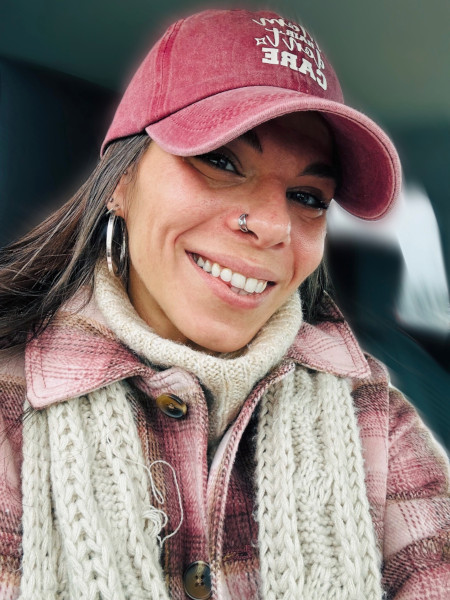
Hi! I’m Ashlee Savia DeConinck, a mother of three, a former Direct Support Professional, and an independent author from Strafford County, New Hampshire.
I’m also the creator of Visual Support Tools for Autism, which began with my youngest son, Rocco.
If someone had told me a couple of years ago that I’d be publishing books, building websites, learning everything I possibly could about distribution, and reaching out to organizations around the world, I probably would have laughed!
But here we are!
I’ve written four books, each inspired by our family’s real experiences.
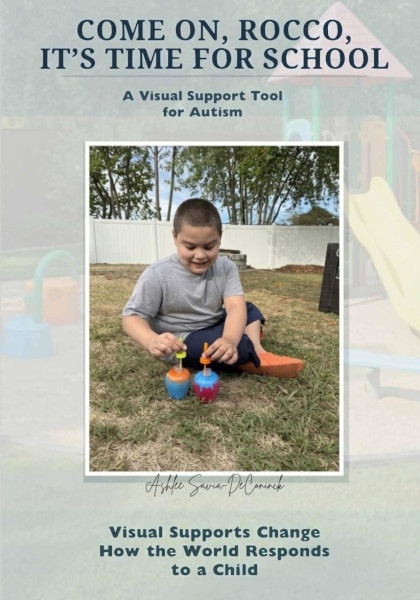
Come On, Rocco, It’s Time for School focuses on communication, transitions, and understanding within educational settings.
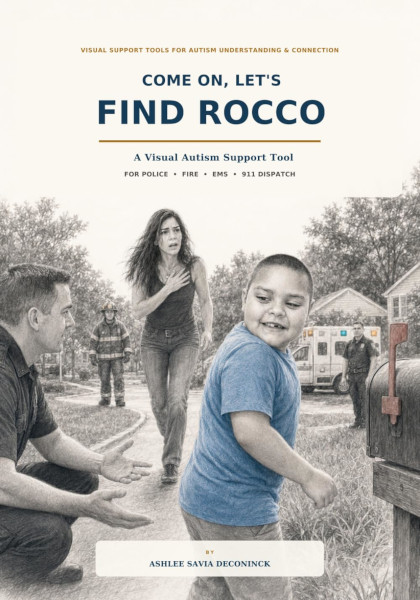
Come On, Let’s Find Rocco! addresses autism awareness and safety for police officers, firefighters, EMS professionals, and emergency dispatchers.
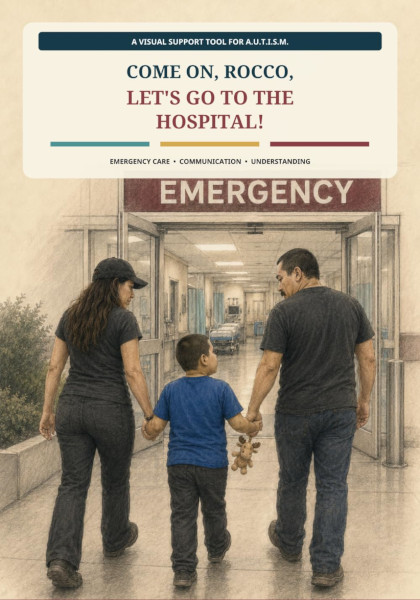
Come On, Rocco, Let’s Go to the Hospital focuses on communication, sensory needs, and understanding in healthcare environments.
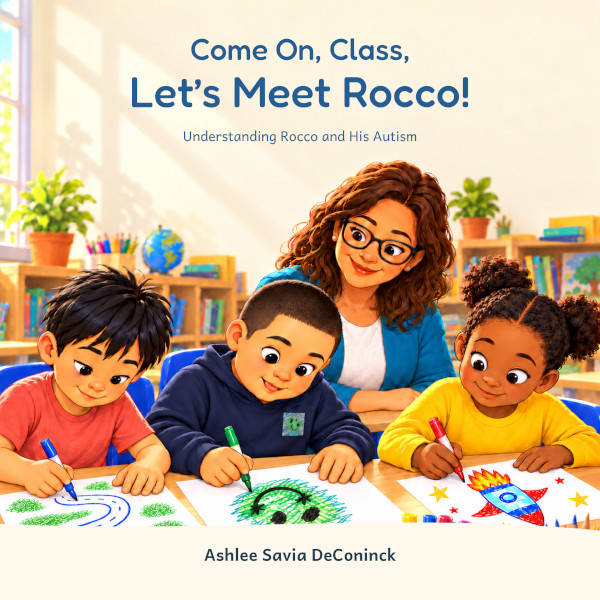
And my newest book, Come On, Class, Let’s Meet Rocco!, is a children’s picture book that introduces young readers to my son and encourages friendship, acceptance, and understanding of children with autism.
I’ve also developed a free educational resource hub for families, educators, and caregivers.
# What is/are the real-life story(ies) behind your book(s)?
This is probably the question closest to my heart because these books didn’t come from imagining what life with autism might look like. They came from living it.
My son Rocco has level 3 autism and is nonverbal. He has significant support needs, and navigating everyday life can require an enormous amount of preparation, patience, and understanding.
But before I tell you about his challenges, I want you to know who he is.
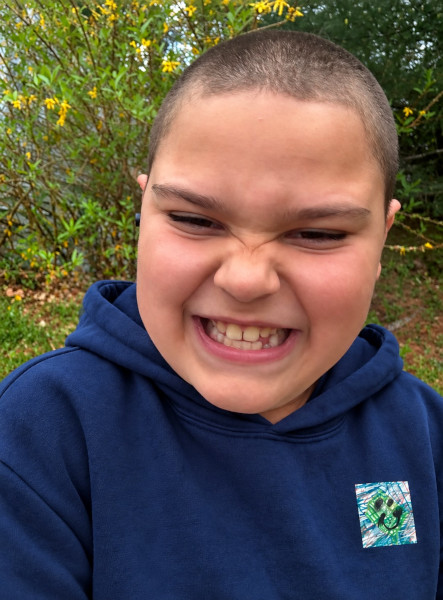
Rocco is a funny, affectionate little boy who loves coloring, drawing, music, his favorite movies, and the characters that bring him so much happiness. He has his own interests, preferences, sense of humor, and wonderful personality.
He communicates in ways that may look different to someone unfamiliar with him, but he has so much to express.
As his mother, I’ve experienced what happens when people understand those differences, and what happens when they don’t.
Something as ordinary as transitioning between activities, going to school, or visiting an unfamiliar environment can become incredibly difficult when a child’s communication and sensory needs aren’t recognized.
The first responder book was especially personal because our family has experienced the fear and urgency surrounding Rocco’s safety. His limited awareness of danger and difficulty communicating make preparation and understanding especially important.
I started thinking about how many families must be navigating similar situations and how helpful it could be to have resources that offered a window into those experiences.
My first three books became practical visual support resources rooted in real situations and photographs.
Then I wanted to approach understanding from another direction: through the eyes of children.
That’s how Come On, Class, Let’s Meet Rocco! came to life. It includes elements of Rocco’s actual world, family photographs, and his own artwork.
I didn’t want children to meet a diagnosis. I wanted them to meet Rocco.
One thing I’ve learned is that I can’t always be standing beside my son, explaining how he communicates or what he needs.
I wanted to create something that could help understanding travel with him, even when I couldn’t.
And maybe, in doing that, help another child and another family along the way.
# What inspires/inspired your creativity?
My children. Without question.
Sometimes it’s watching Rocco light up over a favorite character or seeing the happiness he gets from coloring. Other times, it’s a difficult experience that leaves me thinking, “There has to be a better way to help people understand this.”
My background as a Direct Support Professional taught me to pay attention to individual needs. Motherhood has made me notice the small details even more: what helps, what overwhelms, and what someone may be trying to communicate. Those observations often become the starting point for an idea.
# How do you deal with creative block?
Well, I’m a mother of three, so sometimes creative block is just life happening all at once! LOL.
Between the kids, the house, appointments, school communications, and everything else, there isn’t always a perfect opportunity to sit down and be creative.
I’ve learned not to force it.
Sometimes I’ll step away from a project, focus on my family, and come back with an entirely different perspective.
I’m also very particular about the details. When something matters to me, I want to do it properly, and I’ve definitely had to remind myself that something doesn’t have to be endlessly revised to be meaningful.
What usually brings me back is remembering why I started.
# What are the biggest mistakes you can make in a book?
I think one of the biggest mistakes is forgetting the people you’re writing about and the people you’re hoping to reach.
For my work, authenticity is everything.
Autism is a spectrum, and one person’s experiences cannot speak for everyone. I never want my books to suggest otherwise.
I also think it’s important not to define someone entirely by their challenges.
Rocco has significant support needs. Those needs are real, and I don’t believe in minimizing them. But they are not the entirety of who he is.
You can acknowledge someone’s struggles while still recognizing their individuality, personality, strengths, and dignity.
To me, that’s essential.
# Do you have tips on choosing titles and covers?
I wanted my titles to feel inviting, almost as though the reader was joining Rocco on a journey.
That’s how the recurring “Come On” theme developed.
Each title introduces a different setting or experience while keeping that connection to Rocco.
When it came to the visual presentation of my books, I wanted authenticity to remain at the center.
Real experiences deserve to be represented with care, especially when the subject is your own child.
My advice would be to choose something that genuinely represents the heart of your work rather than simply what you think will attract attention.
A cover might encourage someone to pick up a book, but what’s inside is what makes it matter.
# How do bad reviews and negative feedback affect you and how do you deal with them?
When you create something as personal as my books, you have to understand that not everyone is going to view things through the same lens.
And that’s okay.
I’m always open to constructive feedback. I think listening and being willing to improve are important parts of creating anything worthwhile.
But I’ve also learned that feedback and personal judgment aren’t necessarily the same thing.
My books come from real experiences, and I know the intentions behind them.
I try to stay grounded in that purpose while remaining open to learning.
# How has your creation process improved over time?
When I published my first school book in 2025, I had no idea how much I would end up teaching myself about formatting, publishing, accessibility, and distribution. In 2026, I revised that book and expanded the collection.
The biggest improvement has been learning to think more carefully about the reader. A police officer, a healthcare professional, an educator, and a young child need information presented differently.
I’ve become more intentional about what belongs on each page, what needs a visual explanation, and how to make the message clear without overwhelming the person reading it.
# What were the best, worst and most surprising things you encountered during the entire process of completing your book(s)?
The best part has been turning experiences that were sometimes incredibly difficult into something that might actually help another person.
There’s something special about looking at a finished book and knowing how much of your heart went into creating it.
The hardest part has been balancing everything.
I’m raising three children, managing a household, navigating the needs that come with raising children with autism, and trying to grow something meaningful at the same time.
I don’t have a large publishing team behind me. Much of this has involved teaching myself, researching, troubleshooting, and figuring things out as I go.
Some days I feel incredibly accomplished. Other days I’m just hoping I can finish my coffee while it’s still hot!
The most surprising thing has been discovering how many different communities these resources could potentially reach.
When I started, I was focused on helping people understand my son.
Now I’m having conversations and pursuing opportunities involving education, healthcare, emergency response, libraries, children’s literacy, and organizations beyond my own community.
I never imagined something inspired by one little boy could open so many doors.
# Do you tend towards personal satisfaction or aim to serve your readers? Do you balance the two and how?
They go hand in hand, but helping readers is what gives the work its purpose. I’m proud of finishing the books, especially with everything else happening in family life. The deeper satisfaction comes from knowing there is something useful for someone to take away.
That’s why offering free printables matters to me. Families and caregivers should be able to find helpful resources even when buying a book isn’t possible.
The books don’t replace individualized professional support. My hope is that they help a parent feel less alone, give a professional something practical to consider, or help a child feel more comfortable getting to know a classmate.
# What role do emotions play in creativity?
For me, emotions help me recognize what matters enough to write about. Fear can show me where preparation is missing. Frustration can make me look for a clearer explanation. Happiness reminds me to include the ordinary, joyful parts of our lives, too.
Then comes the work of turning those feelings into something a reader can use. I may begin with a very personal experience, but I have to step back and ask whether the page is clear, thoughtful, and helpful to someone who wasn’t there.
# What are your plans for future books?
Right now, I’m focused on getting the books I’ve already created into the hands of people who could benefit from them. That means connecting with families, educators, libraries, and professionals, while continuing to develop the free resource hub.
I haven’t ruled out another book. But I want the next idea to come from a real need, rather than feeling that I have to keep adding titles. I’d rather give these books the attention they deserve and let the next idea grow naturally.
# Tell us some quirky facts about yourself
I’m a comfort rewatcher! I love having familiar shows playing in the background while I get things done. The Sopranos is one of my favorites, but I also love Dinosaurs with the Sinclair family and Darkwing Duck. I get to share those awesome 90s cartoons with my kids, and I’m just as happy listening along while I work. Apparently, my productivity comes with a familiar soundtrack!
# Is there anything else you would like readers to know?
I didn’t set out to become an author. I was a mother who saw a need and decided to try to do something about it.
What I hope readers carry away is a little more curiosity about the child in front of them. What do they enjoy? How do they communicate? What helps them feel comfortable? There is so much to learn when we take the time to notice.
I can’t control every environment Rocco enters, but I can share what our family has learned. If that helps someone approach a child with greater patience and compassion, the work has been worthwhile.
Because at the end of the day, I’m not trying to change who my son is. I’m trying to help the world understand him.
# About the Author
Ashlee Savia DeConinck is an independent author, mother of three, former Direct Support Professional, and creator of Visual Support Tools for Autism, based in Strafford County, New Hampshire.
Her four books are inspired by her family’s lived experiences and address autism awareness, communication, safety, healthcare, and childhood inclusion. Her work includes practical visual support resources and a children’s picture book inspired by her son, Rocco.
Alongside her books, Ashlee maintains an online educational resource hub offering free printable materials for families, educators, and caregivers.
# Books and Resources
The Rocco Collection
1. Come On, Rocco, It’s Time for School: A Visual Support Tool for Autism
2. Come On, Let’s Find Rocco!: A Visual Autism Support Tool for Police, Fire, EMS, and 911 Dispatchers
3. Come On, Rocco, Let’s Go to the Hospital!: Visual Support Tool for Autism, Emergency Care, Communication, and Understanding
4. Come On, Class, Let’s Meet Rocco!: Understanding Rocco and His Autism
Official website and book information:
https://www.visualsupporttoolsasd.com/
Free educational printables:
https://www.visualsupporttoolsasd.com/free-autism-printables/
Shop VSTA Co.:
https://shopvstaco.com/
Direct purchase links
School book
First responder book
Hospital book
Children’s book