# Please introduce yourself and your book(s)!
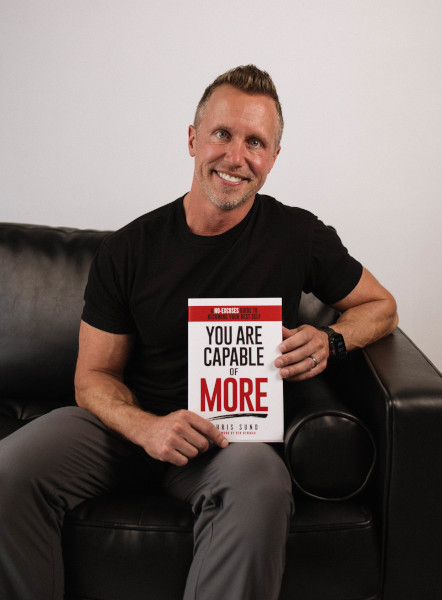
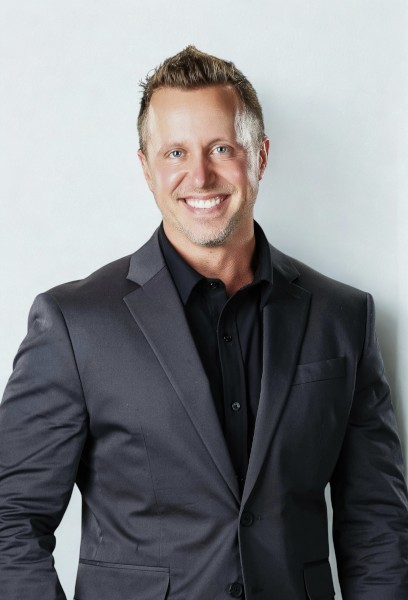
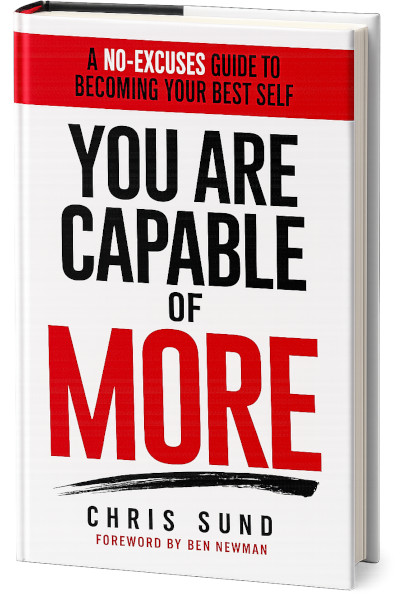
My name is Chris Sund. I’m a bestselling, award-winning author and keynote speaker, and I serve as President and COO of Uniti Med and GQR Healthcare and COO of Nebula. My book, You Are Capable of More: A No-Excuses Guide to Becoming Your Best Self, won the How-To category at the 2026 Paris Book Festival. My personal mission is to help people become the best version of themselves, and that mission is at the heart of the book.
The book brings together personal stories, practical lessons, and some of the best advice I’ve come across about taking ownership, working through self-doubt, and following through. I wrote it for people who know they have more to give but keep putting off something that matters to them. I want readers to leave with something they can use in their own lives, whether that means having a difficult conversation, making time for their family, or taking the first step toward a goal.
The book also includes a Playbook with reflection questions and practical actions to help readers apply the lessons on their own, with their family, or with their team.
# What are the real-life stories behind your book?
One of the stories I share happened in college. The show Jackass was popular, and my friends and I thought taking a shopping cart down a dirt hill near campus would be a good idea. We carried it to the top and spent the evening crashing into the dirt, climbing back up, and trying again. Eventually, police lights appeared at the bottom of the hill. What we thought was a harmless prank ended with me in handcuffs, charged with theft by unlawful taking.
The charge appeared in the local newspaper, and I was embarrassed. I worried that people would see that mistake before they saw anything else about me. It became part of a larger lesson about taking responsibility for your choices without letting your worst moment decide the rest of your life.
That story is one of several in the book that most people in my life had never heard. Before the book came out, I sat down with my boys and walked them through some of what I had written, because I wanted them to hear it from me rather than from someone else. It was not an easy conversation, but it reminded me why I included those stories in the first place. The moments we are least proud of often hold the lessons most worth passing on, and I hope readers can learn from mine without having to live through them.
Other stories come from being a father, losing a job, and choosing to leave a well-established career to help run a startup. Walking away from something stable and familiar to bet on an unproven company was one of the hardest decisions I have made, and it taught me a great deal about trusting yourself before you have all the answers. The book includes mistakes and moments I wish I had handled differently because those are often the experiences that teach us the most.
For the book, I also surveyed more than 200 working adults, and 92% said they believed they were capable of more than they were currently doing. The barriers they described included self-doubt and fear of failure, busyness, comfort, and a lack of clarity. Their responses reinforced why I wanted to write a practical book that helps people move from good intentions to action.

# What inspires your creativity?
People and everyday life. Sometimes a conversation gives you a new way to understand something you’ve struggled with for years. Other times, a moment with your family reminds you that you’ve been giving your attention to the wrong things.
For about a decade now, I have kept a running log of anything I hear that feels worth holding onto, whether it comes from a book, a podcast, or a story someone shares with me over coffee. Every so often I go back through it and sort those ideas by theme, so that when I am writing, or when someone comes to me with a challenge, the right piece of wisdom is there waiting. A lot of the book grew out of that habit.
Writing articles for Forbes and Inc. has sharpened it further. Each piece pushes me to take a personal experience, find the lesson inside it, and make that lesson useful to someone whose life may look nothing like mine.
# What are the biggest mistakes you can make in a book?
For the kind of book I wrote, one mistake is giving advice without helping readers understand how to use it. “Believe in yourself” sounds encouraging, but what does someone do with that when they’re afraid to try?
Another mistake is making yourself the hero of every story. Readers need honesty. Sharing where you struggled or got something wrong can help someone connect with a lesson much more than presenting yourself as a person who always had the answers.
I also think it’s easy to include an idea simply because you like it. The better question is whether it helps the reader.
# Do you tend towards personal satisfaction or aim to serve your readers? Do you balance the two and how?
Serving the reader is the purpose. I’m proud of the book, but what matters most to me is helping someone use a lesson from it to make a change they’ve been putting off.
That goal is bigger than the book itself, which is why we built youarecapableofmore.com into a place where anyone can find free assessments, articles, and practical resources, whether or not they ever pick up a copy. If someone takes an assessment, reads a single article, and makes one positive change in their life, that is a win for me. The book is one way to help people reach their potential, but I never wanted it to be the only way.
Personal satisfaction comes from knowing I’ve shared something honestly and made it useful. I don’t expect every reader to connect with every story. If one chapter helps someone take responsibility, show up differently for their family, or try something they’ve been afraid to do, that matters to me.
# What role do emotions play in creativity?
Emotions help us understand why an experience matters. When I lost a job, I felt embarrassed and worried about telling my wife. But the turning point was looking in the mirror and asking what I could have done differently. Sharing both the feeling and the choice that followed helps readers connect the lesson to their own lives.
I want readers to feel that connection, but I also want to give them somewhere to go with it. A story can help someone feel understood. A practical lesson can help them decide what to do next. Both have a place in the book.
# Tell us some quirky facts about yourself.
Growing up, one of my favorite things was going boating. My dad and uncle shared a ski boat, and we would take it to public lakes to ski, tube, and wakeboard. Some of my favorite childhood memories happened on the water.
I also wrote most of this book in the margins of an already full life. I didn’t want to give up time with my family or my workouts, so I found the downtime I already had and put it to work. I wrote on the treadmill, thought through ideas on the StairMaster, worked through chapters on the drives to my boys’ sporting events, and wrote in the bleachers between games. Some days I only managed a paragraph, but those paragraphs added up.
Links
Book website: https://youarecapableofmore.com
Where to buy: https://youarecapableofmore.com/where-to-buy/
Speaking and other work: https://chrissund.com